




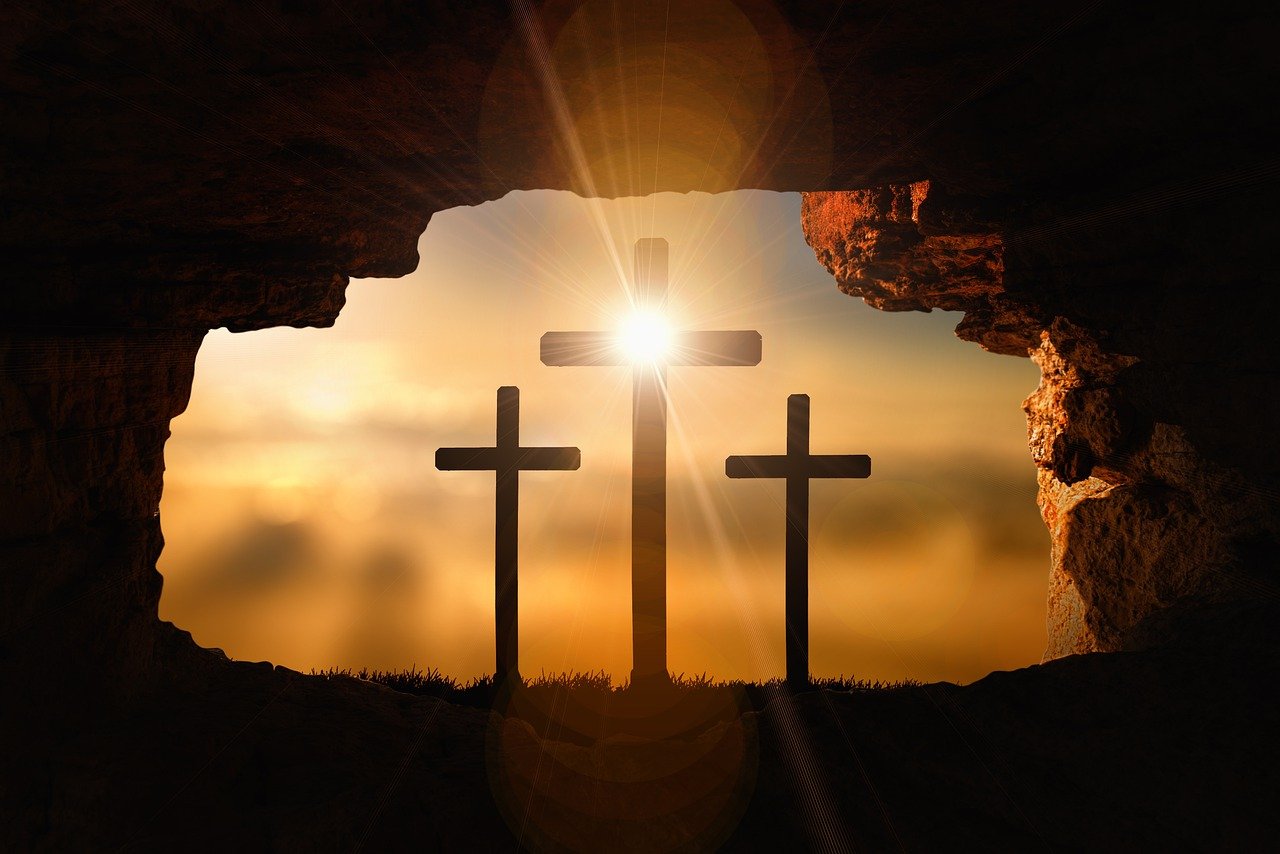
The Seven Last Words of Jesus: A Deep Dive into Their Significance
The crucifixion of Jesus Christ stands as one of the most pivotal moments in Christian history. It is in this moment that Jesus, the Son of God, surrendered His life for the salvation of humanity. Amid this profound sacrifice, Jesus uttered seven impactful statements, often referred to as the "seven last words of Jesus".These last sayings of Jesus on the cross hold immense significance for believers, encapsulating the depth of Jesus' love, His divine purpose, and the profound theological implications of His crucifixion. This article delves into the profound significance of these seven utterances.
The Crucifixion: A Brief Overview
Before we delve into the seven last words of Jesus, it is important to understand the context in which they were spoken. The crucifixion was a form of capital punishment practiced in the Roman Empire, designed to inflict maximum pain and humiliation. Jesus' crucifixion came after He was betrayed by Judas, one of His disciples, and condemned to death by Pontius Pilate, the Roman governor of Judea.
As He hung on the cross, Jesus experienced severe physical, emotional, and spiritual agony. However, even in the midst of His suffering, Jesus' focus remained on fulfilling His divine mission and expressing His love for humanity.
The Seven Last Words of Jesus: An In-Depth Examination
Each of the seven last words of Jesus carries significant meaning, shedding light on Jesus' character, His mission, and His divine nature. Let's explore each of these utterances in more detail.
1. "Father, forgive them, for they do not know what they do." (Luke 23:34)
The first of Jesus' seven utterances on the cross is a powerful plea for forgiveness. Despite the injustice and cruelty He was facing, Jesus’ first concern was for those who were causing His suffering. This statement highlights Jesus' boundless compassion and His commitment to the principle of forgiveness, even in the face of extreme adversity.
2. "Truly, I tell you, today you will be with me in paradise." (Luke 23:43)
In His second utterance, Jesus assures one of the criminals crucified alongside Him of their place in heaven, due to his faith and repentance. This interaction underscores the depth of Jesus' mercy and the promise of salvation for those who turn to Him, even in their final moments.
3. "Woman, behold your son! … Behold your mother!" (John 19:26-27)
In the middle of His suffering, Jesus took the time to address His mother, Mary, and His beloved disciple, John. Jesus entrusts John with the care of His mother, displaying His deep love for His family and His concern for their welfare after His death.
4. "My God, My God, why have You forsaken me?" (Matthew 27:46)
This utterance is a direct quote from Psalm 22, expressing Jesus’ profound spiritual anguish as He bore the weight of humanity's sins. This statement underscores the gravity of Jesus' sacrifice and the extreme separation from God that sin causes.
5. "I thirst." (John 19:28)
This statement is both a reflection of Jesus' physical suffering and an allusion to His spiritual thirst for the fulfillment of God's will. It serves as a reminder of the human experience of Jesus and His ability to empathize with our sufferings.
6. "It is finished." (John 19:30)
With these words, Jesus declares the completion of His mission on earth. His sacrifice, the ultimate act of love, was now complete. This utterance signifies the fulfillment of Old Testament prophecies and the completion of God's plan for the redemption of humanity.
7. "Father, into your hands I commit my spirit." (Luke 23:46)
Jesus' final utterance on the cross is a final act of surrender to God's will. By commending His spirit to the Father, Jesus illustrates His total trust in God and His acceptance of death as part of His divine mission.
The Impact of Jesus' Seven Last Words
The seven last words of Jesus provide believers with a profound insight into Jesus' character, His divine nature, and His immense love for humanity. They serve as a powerful reminder of the sacrifice Jesus made on the cross, and the lengths He went to ensure the salvation of humanity.
Moreover, these utterances offer believers a model for their own lives. They encapsulate key Christian values such as forgiveness, mercy, love for one's family, trust in God, and acceptance of God's will. By reflecting on these words, believers can draw closer to Jesus and strive to emulate His example in their daily lives.
Conclusion
The seven last words of Jesus are much more than the final statements of a dying man. They are profound expressions of divine love, sacrifice, and redemption. Through these words, Jesus demonstrates His unending compassion, fulfills ancient prophecies, and underscores the eternal promise of salvation for all who believe in Him.
These utterances continue to resonate with Christians around the world, reminding us of the depth of Jesus' love and the transformative power of His sacrifice. By pondering these words and their significance, we can gain a deeper understanding of Jesus' character and mission, and be inspired to live out our faith in a manner that reflects His love and sacrifice.
For further reading, I recommend these resources:
- The Last Seven Words of Jesus Explained
- The Seven Last Words of Jesus from the Cross
- The Powerful Seven Last Words of Jesus Christ on the Cross
- The Seven Last Sayings of Christ: A Deep Dive into their Significance
Remember, the seven last words of Jesus are not just historical statements. They are a call to action, a call to live a life that reflects the love, sacrifice, and redemption embodied in these powerful words.
Comments are disabled